
Do you ever wonder why some things in the US cost more than they do in other countries? Perhaps you didn’t know they did.
As an Australian living in the US, I am still surprised by many things when I compare costs between our countries. While plenty of things are cheaper here, there are plenty of things with colossal sticker shock. From things we use daily to the big stuff we buy, it shows how the world’s money works.
Let’s check out some things that cost more in the US than anywhere else in the world.
1. Healthcare Costs

If my appendix burst and I had to be rushed to hospital and operated on, it would cost me nothing in Australia. We don’t even see a bill to determine how much it might have been.
The same goes for an emergency procedure — you never have to worry about how you’ll afford it. In the US, you’ll get hit with a hefty bill if you don’t have the right insurance.
2. Higher Education Expenses

In some countries such as Germany, Sweden, and Finland, higher education is seen as something that benefits both the citizens and society in general. Therefore, they don’t charge or have low-cost education available.
In Australia, our costs are covered by the government. We do have to pay it back, but there’s no interest, and we only have to start paying it back once we start earning over a certain amount.
3. Dining Expenses

The rest of the world doesn’t have a tipping system as prevalent as it is in the US. In Europe and Australia, people in service industries like hospitality are paid a living wage rather than expecting to make up the difference in tips.
For example, my eldest son is a barista and is paid $25 an hour, $37 on weekends, and $50 on public holidays. With the right hours, you can live on that, and it’s guaranteed, unlike tips.
4. Pharmaceutical Prices

In Australia, many common medications are listed in the Pharmaceutical Benefits Scheme (PBS), and we don’t pay the full price. Even things that aren’t covered by this scheme are cheaper, though. For example, Enstillar foam for psoriasis is priced at more than $1300 here, without insurance. I can buy this for 45 Australian dollars.
There is a downside to getting meds in Australia compared to the US, though. We need to jump through a lot of hoops and professional appointments to prove we qualify for some of our medications, especially those related to mental health, such as Adderal.
5. Cost of Living

This takes into account food and accommodation overall. Switzerland is the world’s most expensive place; the US comes in third with an average of $2317 per month.
The UK and Australia are slightly cheaper than the US, and Canada has an average of $1901. South America, Asia, and Africa are among the cheapest nations. Many European countries average between $1000 – $1500 per month.
6. Cell Phone Networks

The cheapest cell phone network in the US seems to be Mint Mobile, which costs $15 per month. In Australia, I can get one for $6.50.
The UK has a few for $10 per month. On the other hand, a cell phone plan in India will cost you around $1 per month.
7. Health Insurance
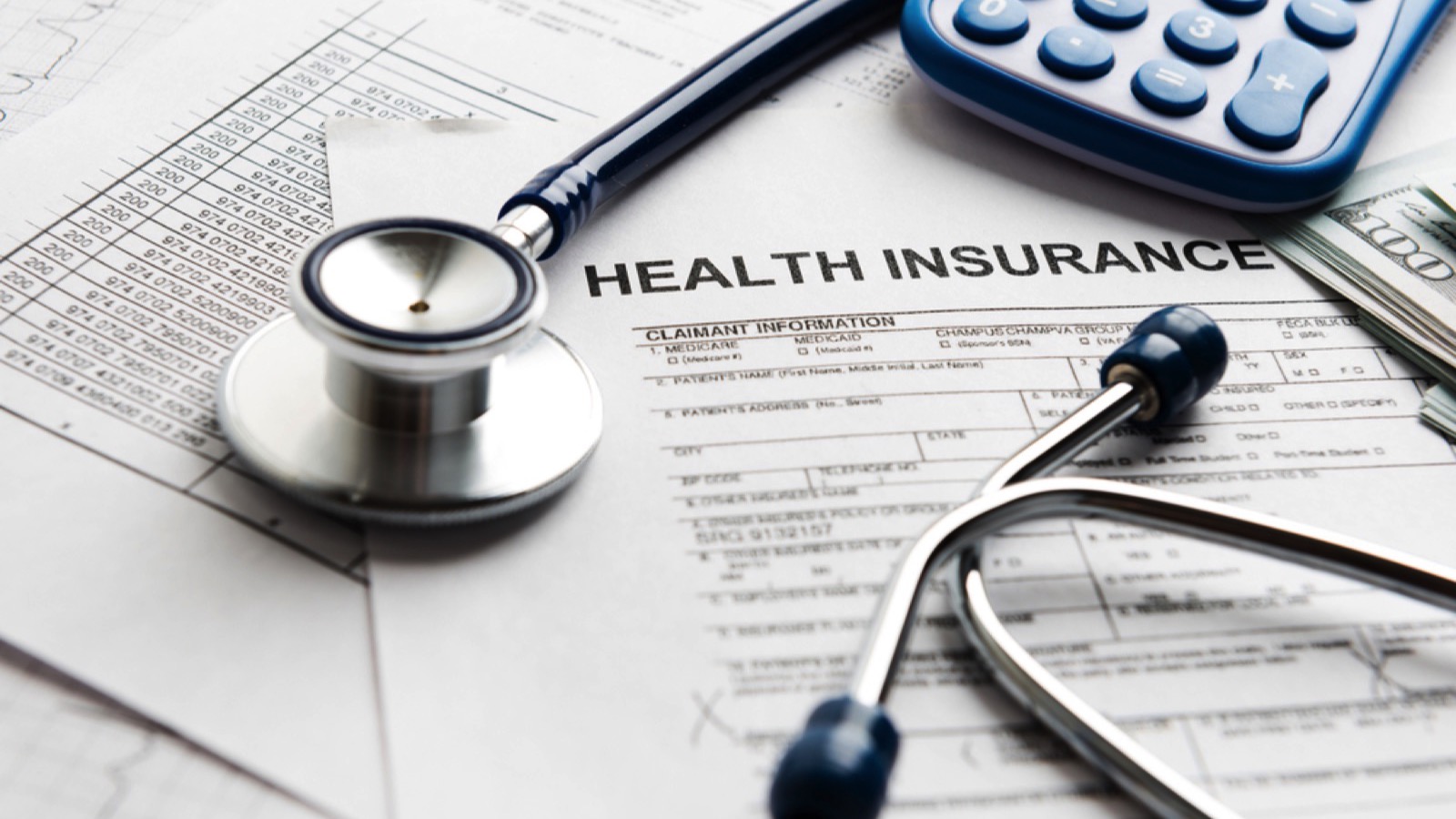
In Australia, most of our health care is incorporated into our taxes, and I’ve seen people in the US protest against raising taxes for this purpose. However, the price you pay extra for health insurance far outweighs the extra amount of tax.
That doesn’t mean we don’t have health insurance. We can pay for private insurance if we want to stay in a private hospital or dental or choose our own doctor for things like obstetrics. However, you might pay $40 per week for this.
8. Sales Taxes

In most first world countries, the price you see in store is the price you pay. In the US, the in-store price suddenly increases at the register when tax is added.
This system can be confusing for visitors from other countries who are used to knowing exactly how much they’ll pay for something before they get to the checkout. It also means that budgeting for purchases in the US requires a little extra mental math to factor in the added tax
9. Childcare Expenses

Finding affordable child care is tough for many Americans, especially those in cities. The cost of daycare and early education programs can be a big financial burden. According to one study, the US spent an average of $1391 monthly on child care.
In Denmark, though, it’s different. Parents there only pay a quarter of the cost of their 2-year-old’s care, and the government helps out if they choose to stay home or hire a nanny.
10. Legal Service Fees

It seems Americans love to sue, and people fear this happening to them. This litigation culture and a few other factors drive up the prices of legal fees.
The complexity of the US legal system, with federal, state, and local laws, requires specialized expertise from lawyers, driving up costs. The prevalent practice of billing by the hour further contributes to the expense, as does the limited availability of government-funded legal aid for low-income individuals—something that other countries provide more of.
11. Public Transport

Americans spend more of their household budgets on transportation than Europeans, with approximately 17% in the US versus around 11% in Europe. Australia is similar to the US in terms of public transport.
While car ownership is essential in some US cities, those unable to afford it face high costs for public transportation. Some countries, like Spain and Malta, have some free services for citizens.
12. Hotel Rooms

The top 10 cities in the US range between $198 – $300 per night for a hotel room, and the overall average in the country is $175. For a mid-range hotel in Australia, the average is $126, $109 in Spain, and $105 in France.
The price of hotel rooms in the US depends on a few factors. These include the season, demand, and operating costs.
13. Designer Clothing

Most designer clothing is produced overseas, so the costs will be higher here. Then factor in import tariffs and taxes imposed by the US government, a high demand, and a willingness to pay premium prices, and those price tags go up.
Add to that the extensive marketing and branding efforts that luxury fashion houses employ, and you have prices that the average person can’t afford.
14. Private School

In countries where the government puts in a decent amount of funding, there’s not a lot of difference between public and private education. The main difference is the prestige that comes with attending a private school.
In countries like the US, there is a vast difference between public and private middle and high schools, and that difference comes with a price tag that matches. The average cost for a private high school in the States is $42,200, whereas a good public high school in Australia costs under $800 and private schools around $15,000.
15. Streaming Services

Granted, we don’t have as many channels in Australia as you do in the US, and we spend an average of $37 a month on streaming services. In comparison, Americans spend about $61 per month.
In Australia, spending $70 or more on cable and pay TV services is non-existent. For that sort of price, you’ll get your internet as well.
17 RETIREMENT MISTAKES YOU SHOULD AVOID AT ALL COSTS

What are some of the biggest retirement mistakes that people are making? We polled financial experts, and the results are surprising. Spoiler alert: many of them have nothing to do with finances.
17 RETIREMENT MISTAKES TO AVOID AT ALL COSTS
14 HIGH-PAYING JOBS THAT EMPLOYERS CAN’T FILL

Certain high-paying professions are high-paying for a reason – people avoid them like the plague. But why is that? Here are 14 jobs that pay well, but nobody wants to actually do.
14 HIGH-PAYING JOBS THAT NOBODY WANTS TO DO
45 SURPRISING WAYS TO MAKE AN EXTRA $500 A MONTH

Who couldn’t use an extra $500 a month? Here are 45 legitimate and realistic ideas you may not have thought of to add some extra cash to your wallet.
45 SURPRISING WAYS TO MAKE AN EXTRA $500 EVERY MONTH

