When we imagine well-run cities, we often think about efficient public services, strong economies, and happy residents. These fantasies might make us picture an amazing utopia, but in reality, many cities in the United States don’t live up to the standards we imagine. However, some cities are closer to that ideal than others.
Recently, Wallet Hub conducted a study that considered several factors related to governance, economic challenges, and quality of life to determine which cities in the United States were doing better than others. Here’s a look at the worst-run cities across the country and how they compare to some of the best in the United States.
1. Detroit, MI
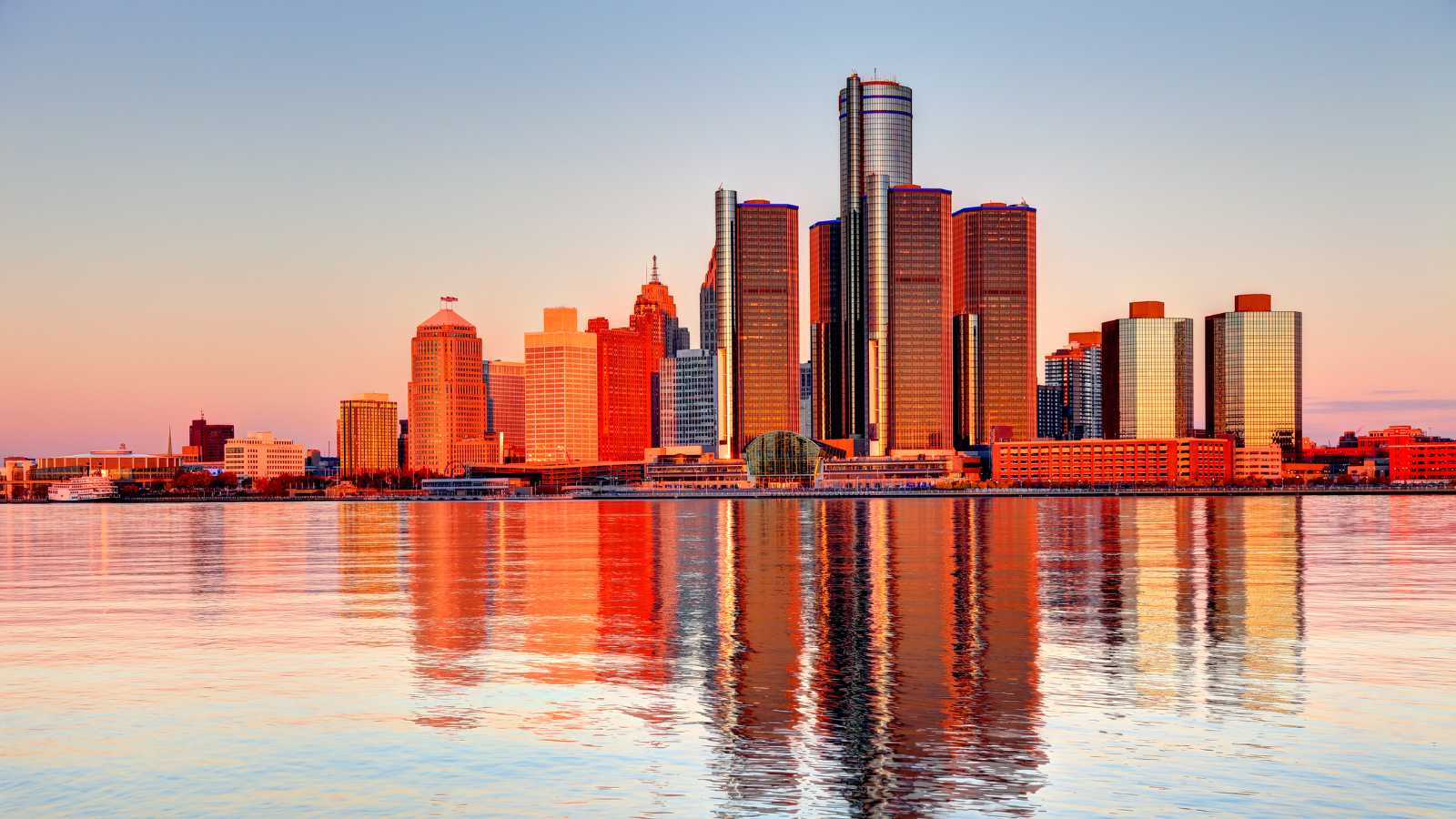
Detroit, Michigan, has faced significant challenges over the past few decades. Once a powerhouse of the American automobile industry, Detroit’s decline began in the late 20th century due to the deindustrialization and suburbanization of major cities across the country.
High crime rates, widespread poverty, and abandoned properties are major issues throughout Detroit. Back in 2013, the city filed for bankruptcy, making it one of the largest cities to do so in the U.S. Education and infrastructure suffer from underfunding and neglect, contributing to Detroit’s reputation as a poorly managed Midwest city.
2. Tacoma, WA
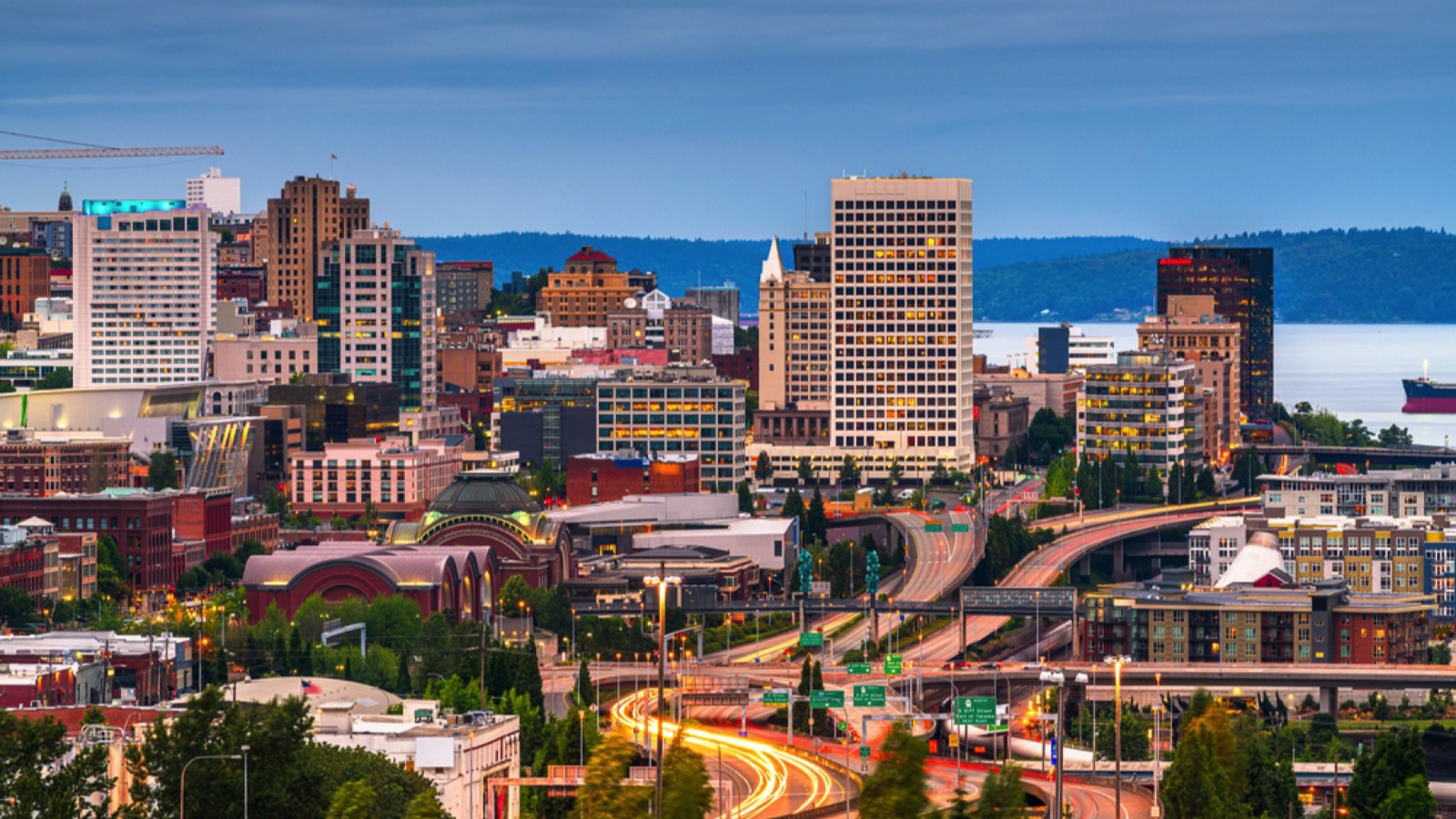
The second-biggest city in the Puget Sound area deals with a number of urban management problems throughout the city. Tacoma has struggled with economic problems, with significant income inequality and pockets of poverty across the city. Relatively high crime rates strain local resources and damage community trust.
Road conditions and public transportation often fall short of residents’ needs. Additionally, Tacoma’s public services, such as education and healthcare, face challenges in providing consistent, high-quality support as well.
3. Hartford, CT
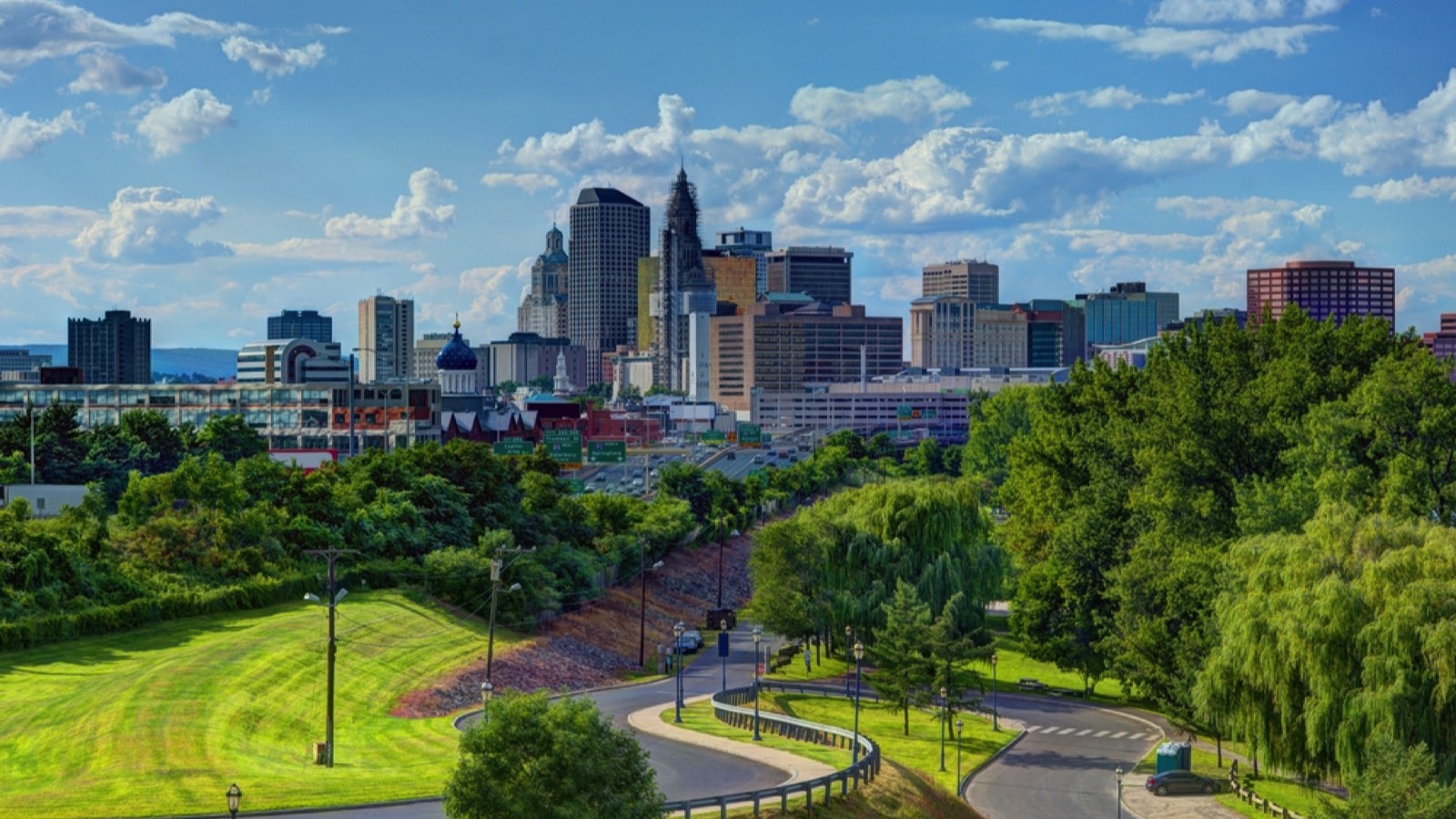
Once home to famous author Mark Twain, Hartford is now struggling with financial and social challenges. The city has struggled with high levels of poverty and unemployment over time.
Hartford’s public education system and infrastructure require big investments, but the city can’t address these needs due to fiscal problems. Public safety is another concern, with crime rates higher than state and national averages.
4. Oakland, CA

A quick hop over San Francisco Bay will bring you to Oakland. People started moving to the city when prices in San Francisco started skyrocketing. However, Oakland suffers from high crime rates, particularly violent crime and straining public safety resources. There are approximately 81 crimes per 1000 residents making it one of the highest rates in the country.
The city also faces severe housing affordability problems, leading to significant homelessness for some of the most impoverished residents. Transportation and road maintenance often lag behind the needs of a growing population.
5. Gulfport, MS
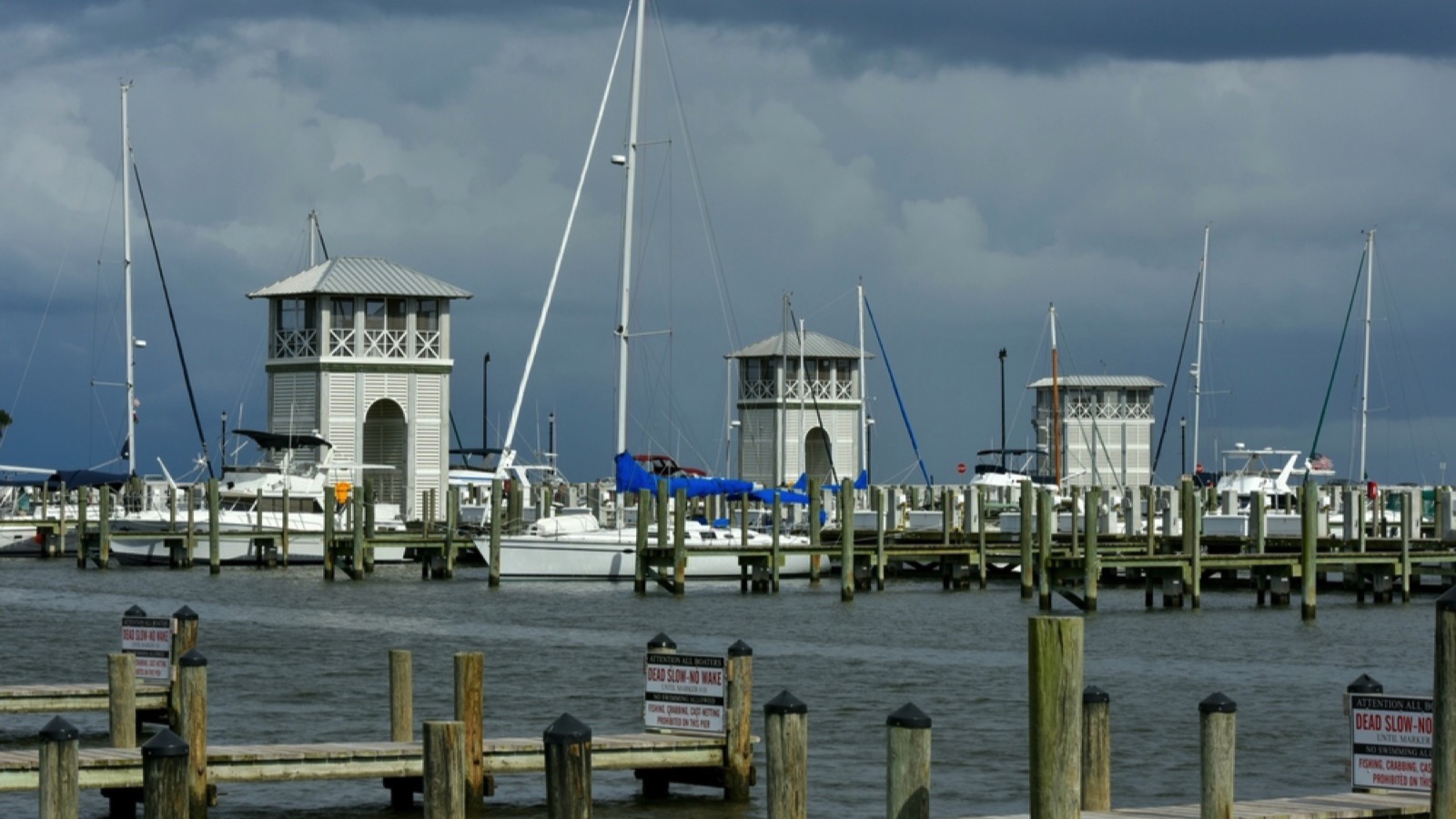
Gulfport, Mississippi, deals with a lot of challenges that affect the government and the quality of life. The city has been slow to recover from a number of economic setbacks, including some caused by natural disasters like Hurricane Katrina. High poverty rates and unemployment are issues for many of those who live there.
Education and healthcare often struggle with a lack of funding and resources. Road conditions and public utilities are also issues for the city. Last year, the Mississippi State Port Authority announced the city was “primed for growth” after installing a $1 billion port. Only time will tell if this project works out.
6. Flint, MI
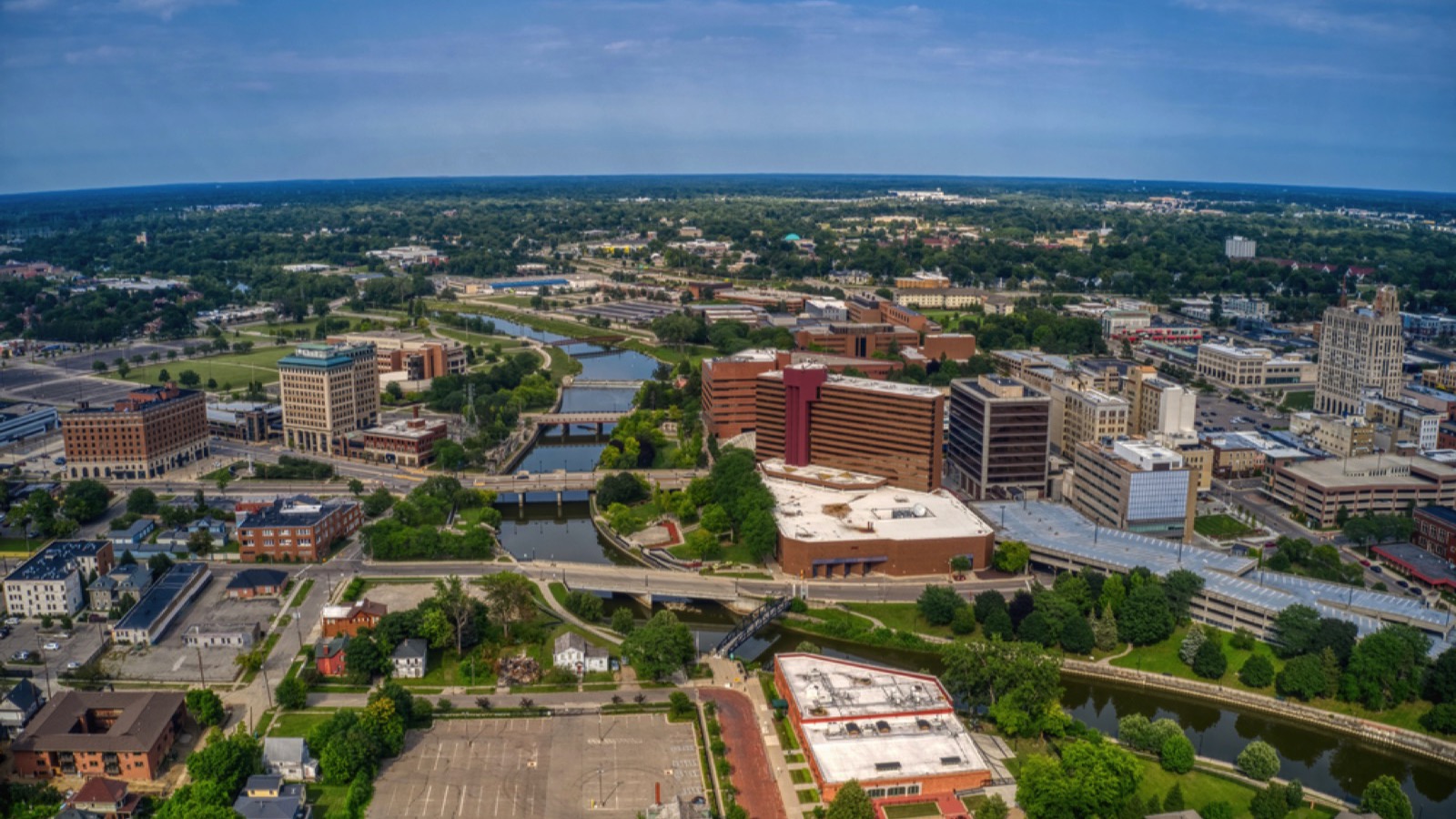
Around fifty years ago, plenty of cash and resources were poured into Flint, Michigan, hoping to stimulate the local economy. However, General Motors, which had big assembly plants here, laid off thousands of local workers, which sounded the death knell for the city. If that wasn’t enough, Flint suffered a contaminated water crisis in 2014 and is still dealing with the consequences of this disaster to this day.
The city’s switch to a new water source led to widespread lead contamination, severely impacting public health and eroding trust in local governance. Flint’s economic struggles are profound, with high unemployment rates and poverty. The city’s industrial decline has left lasting scars, contributing to a shrinking population and deteriorating infrastructure.
7. Cleveland, OH
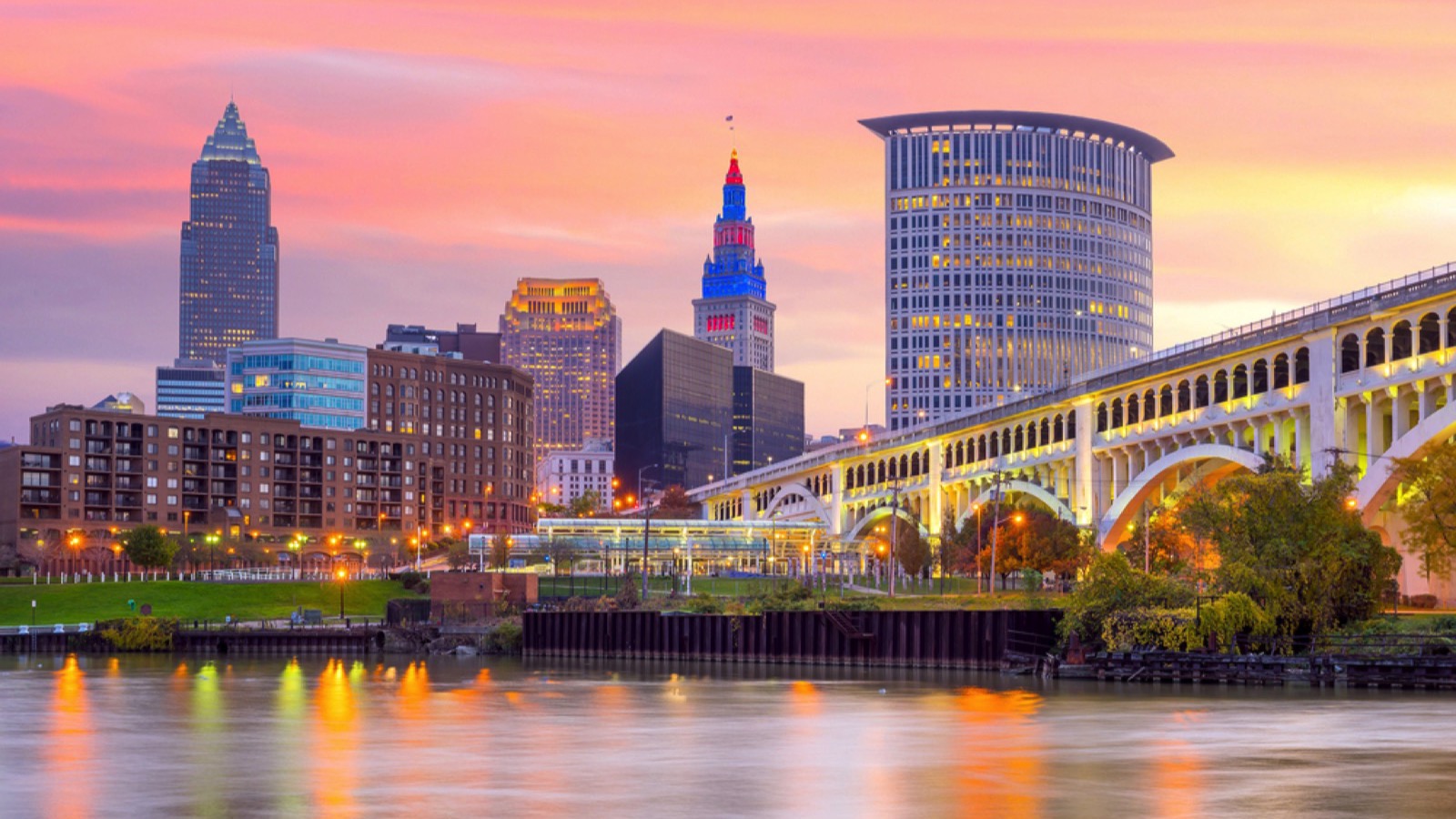
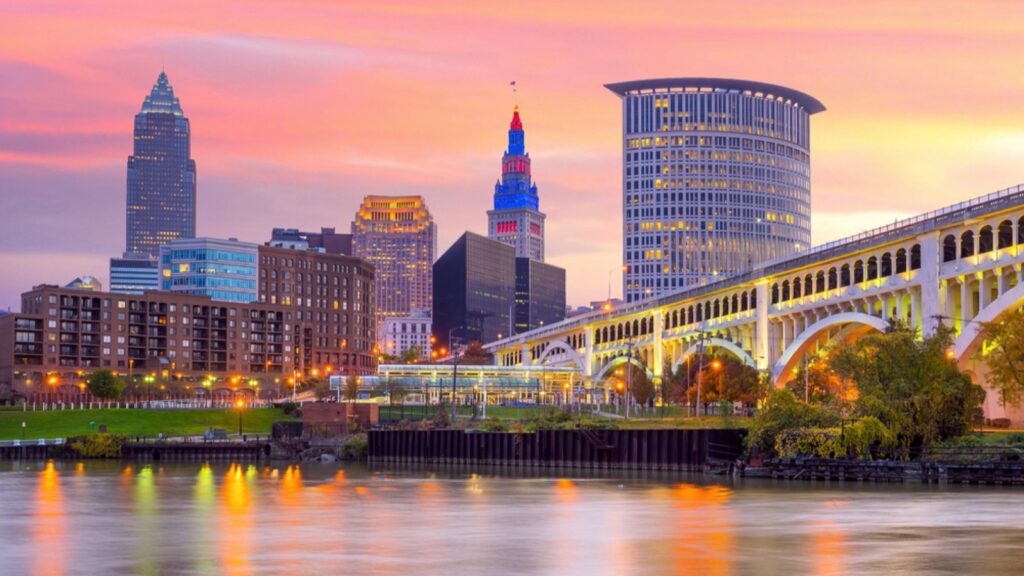
In the past forty years, residents have been moving out of Cleveland at an alarming rate. The city once had over half a million citizens, but this Ohio city only now has around 360,000. Once a thriving industrial hub of a city, Cleveland has struggled to transition and diversify its economy.
High poverty rates, crime, and unemployment remain challenges. Cleveland’s public services have been criticized for their inefficiency and lack of responsiveness, causing further rifts between residents and local government.
8. New York, NY
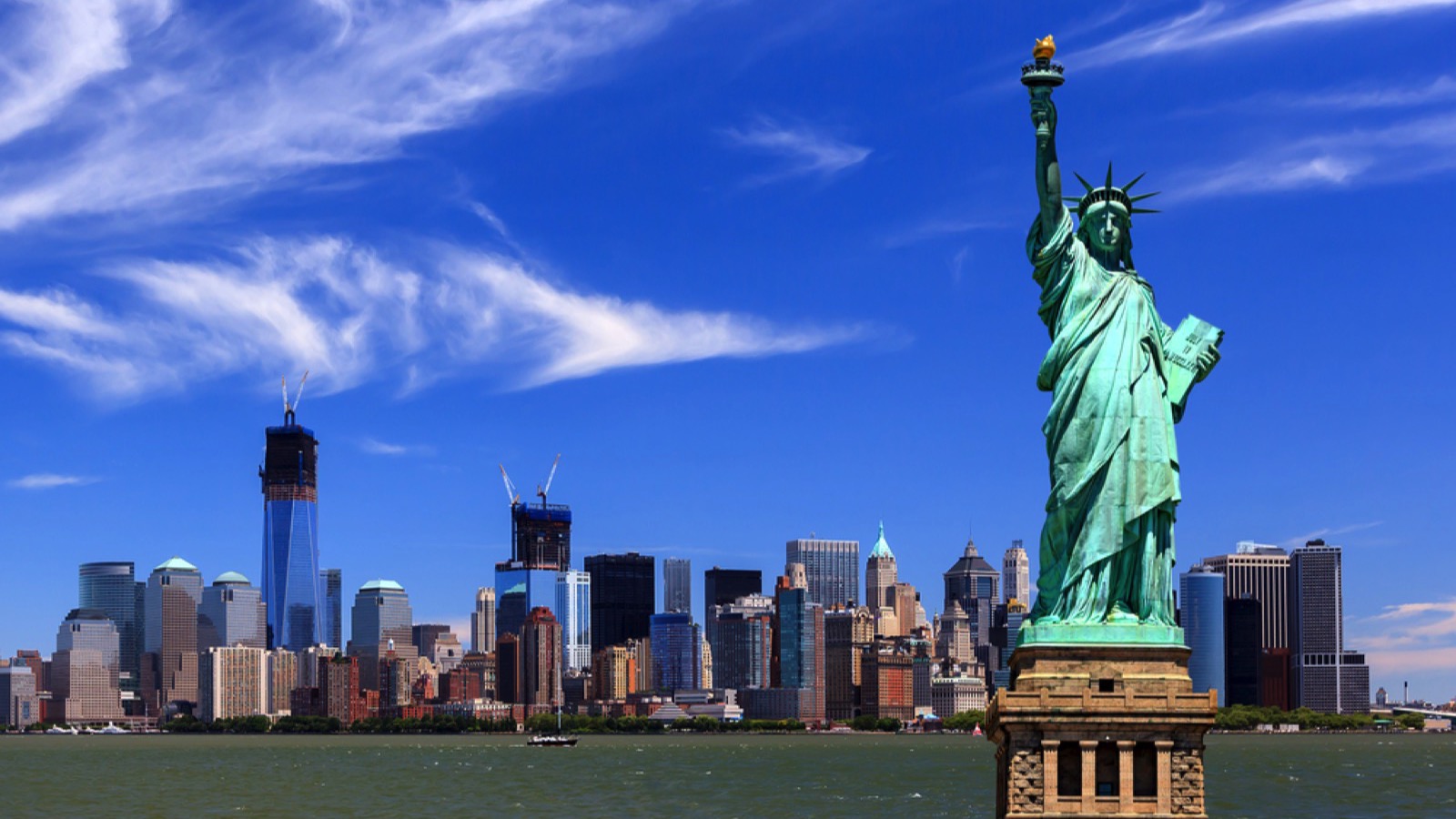
Despite being one of the most iconic cities in the world, New York City faces significant challenges. The city’s size and complexity make it difficult for the local government to manage this massive city efficiently.
New York struggles with high living costs, income inequality, and a significant homelessness crisis. While public transportation is extensive, it often suffers from delays and infrastructure problems.
9. Chattanooga, TN

This city in Tennessee was once an important crossroads for the American Civil War. Its infrastructure allowed it to grow into a busy industrial hub. However, Chattanooga has encountered obstacles that have held up city management.
Poverty rates are high, and many residents have limited access to quality jobs. Education and healthcare often fall short of residents’ needs. Infrastructure maintenance is another issue, including problems with road quality and public transportation. Chattanooga’s struggles with crime and public safety also contribute to its ranking as a poorly managed city despite efforts to revitalize and attract new businesses and residents.
10. San Francisco, CA
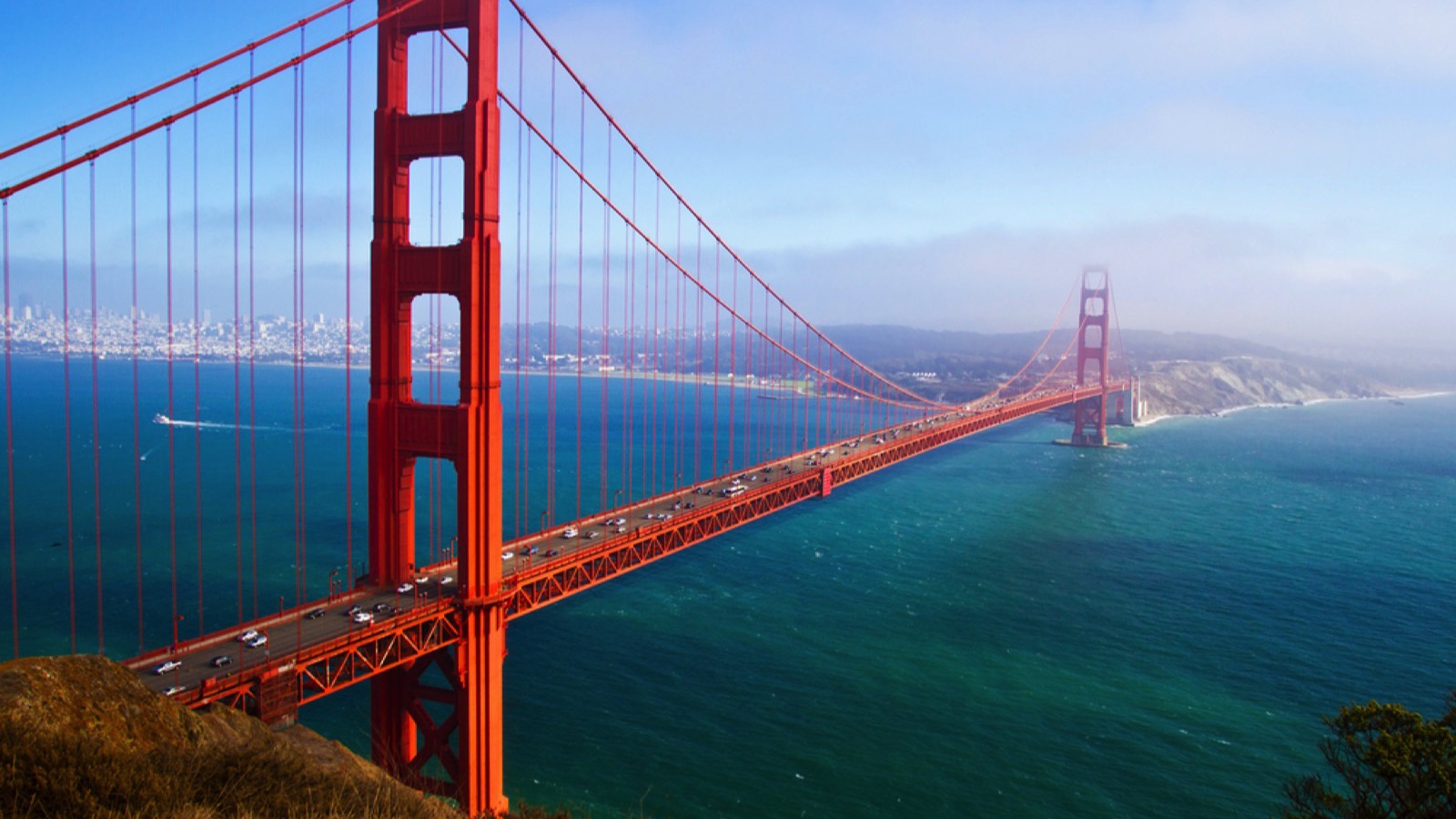
While known for its technological innovation and cultural vibrancy, San Francisco faces severe governance issues that impact the population and their daily lives. The city grapples with a high cost of living, driven by sky-high housing prices that increase homelessness and income inequality. Transportation and road maintenance sometimes fail to meet the demands of the growing population, in addition to helping out those who need the most help.
1. Best Run Cities – Lexington-Fayette, KY
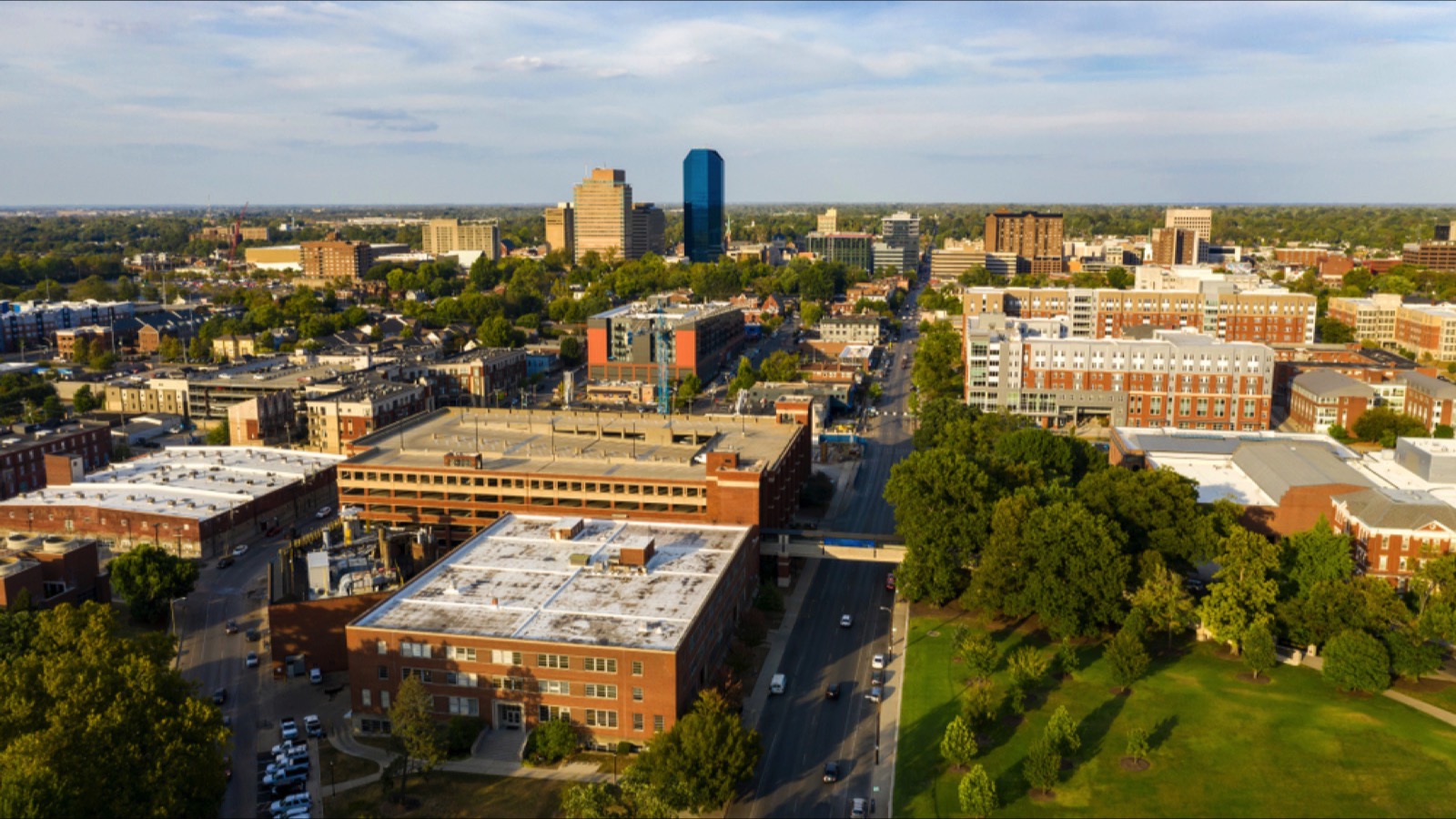
On the opposite end of the scale, here are some of the best-run cities in the U.S. This list includes Lexington-Fayette, Kentucky’s second-largest city, which is celebrated for its horse breeding and racing heritage. The city has a diverse and stable economy with a strong job market, low unemployment rates, and healthy household incomes.
Theses economic strengths contribute to an excellent quality of life, which is supported by great healthcare facilities, educational institutions, and cultural amenities. Effective infrastructure management is another highlight, as the city has a lot of well-maintained roads and public transportation systems.
2. Nashua, NH
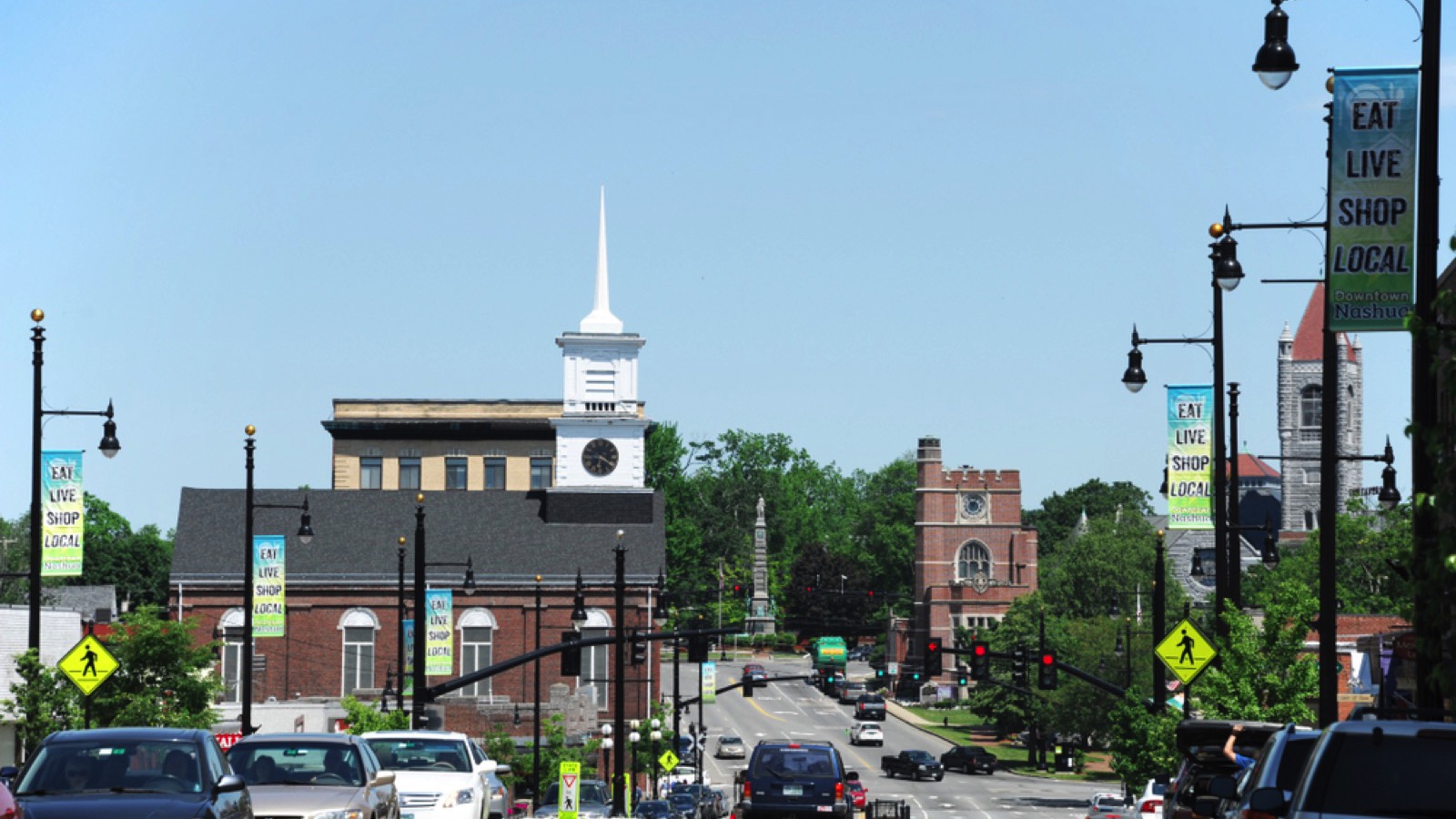
Less than an hour’s drive to Boston, Nashua, New Hampshire, is a vibrant city in the southern part of the state, praised for its livability, diversity, and strong community.
The city also has a strong educational system, featuring highly rated public schools and access to quality higher education. Nashua has low unemployment rates and a healthy household income, making it a desirable place to live and work.
3. Boise, ID
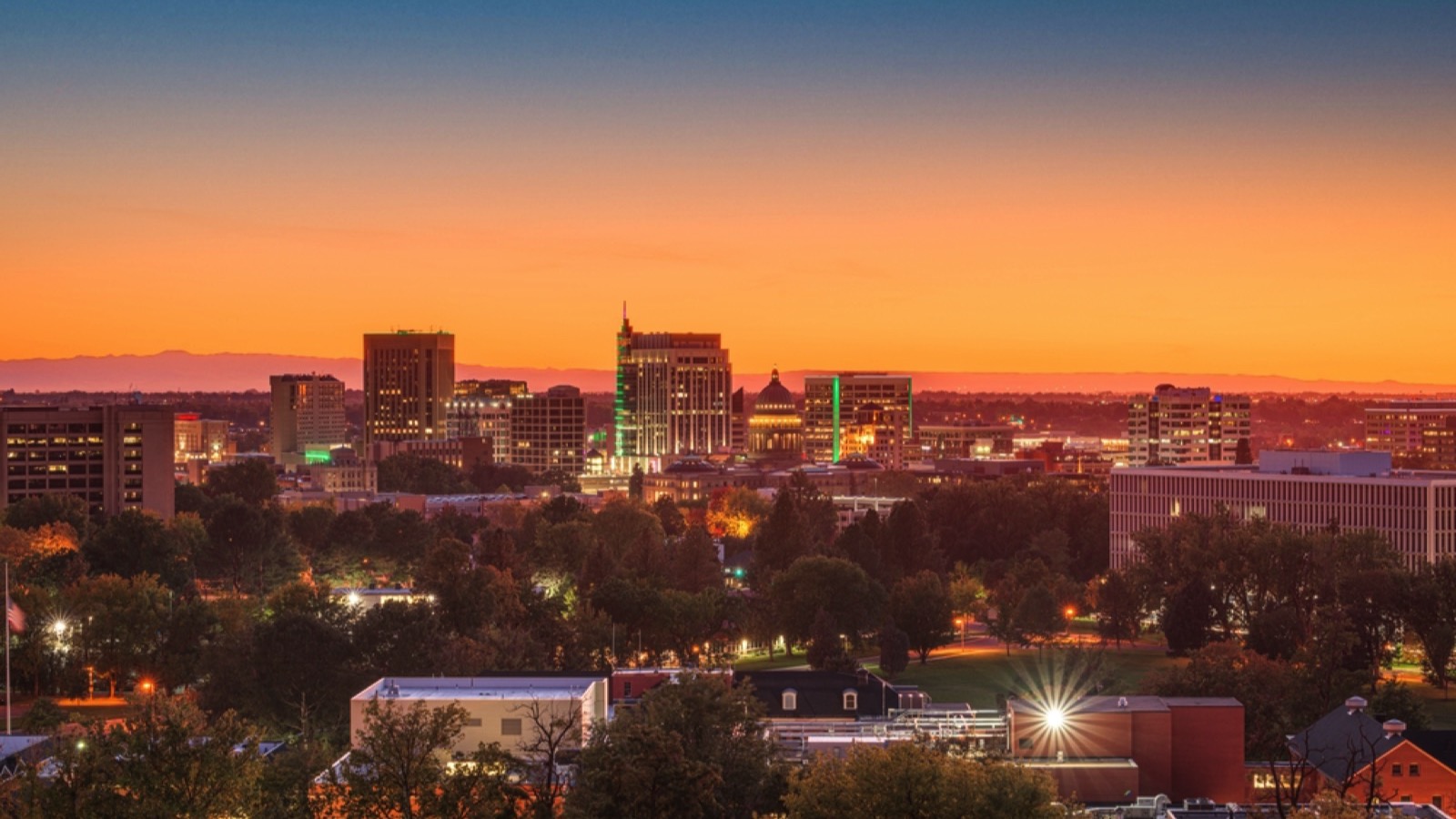
Yes, you may think of potatoes for miles when you think of Idaho, and even though we all love potatoes, there’s so much more that Boise has to offer. Idaho’s capital and most populous city is renowned for its downtown, outdoor recreational opportunities, and tech industry.
Urban planning in Boise is great, with initiatives that manage the city’s growth while preserving green spaces and the natural environment. Residents enjoy a high quality of life, with access to outdoor activities, cultural events, and a strong sense of community.
4. Nampa, ID
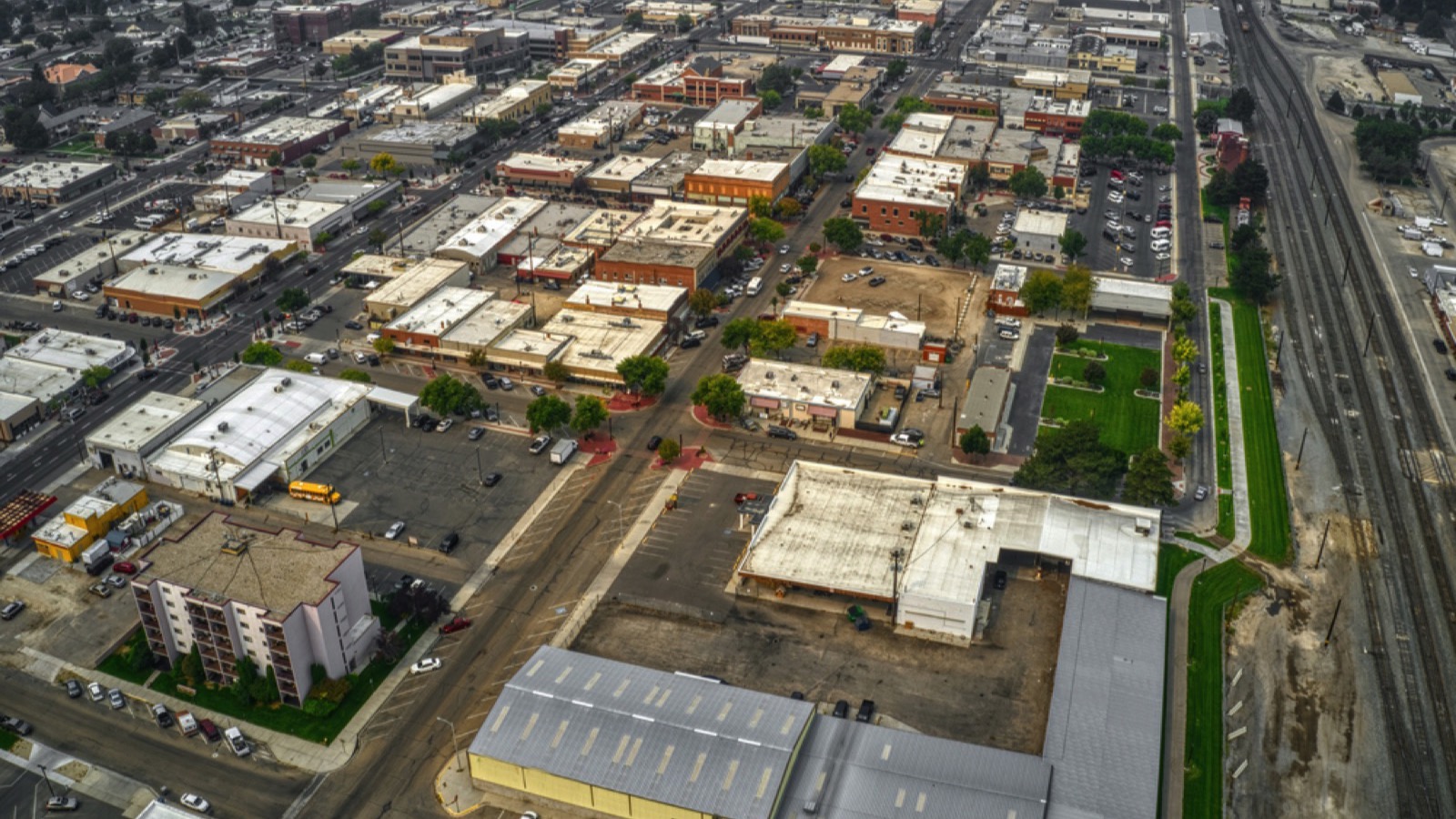
Nampa, Idaho, stands out as a city deeply rooted in community values and their agricultural heritage.
Residents benefit from high-quality public services, including well-maintained parks, libraries, and robust public safety programs. Nampa’s strong emphasis on community engagement fosters a vibrant civic life, enhancing the sense of pride and participation among its residents.
5. Provo, UT
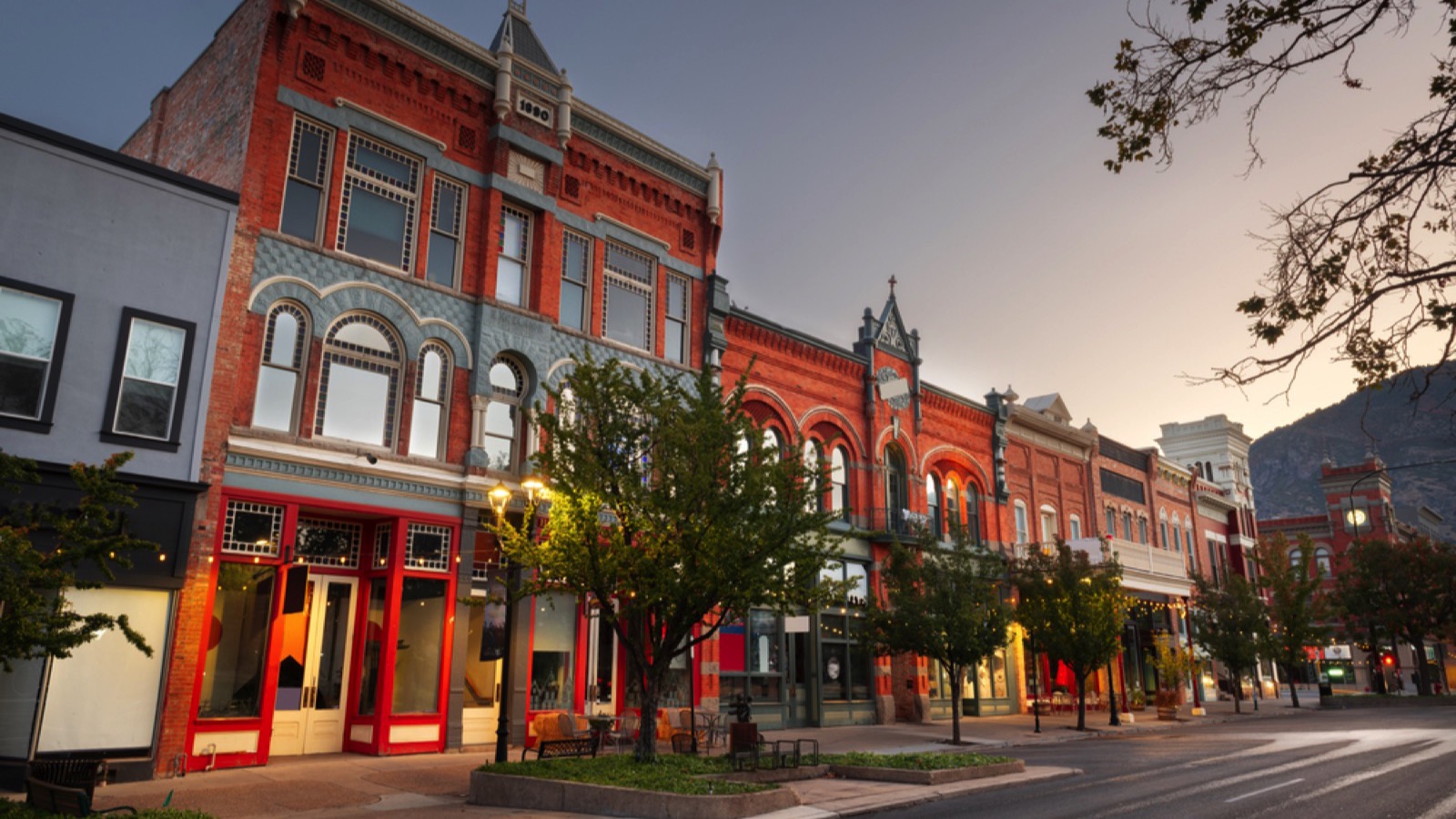
Some places might be beautiful to live in, but they lack long-term stability and job prospects. That’s not the case with Provo, Utah. The mountain scenery around the city is spectacular, and so is the education system.
The city has economic stability marked by a low unemployment rate and the significant presence of tech companies like Qualtrics and Vivint. The quality of life in Provo is high, with a lot of options for outdoor adventures, a low crime rate, and a family-friendly environment, making it an appealing place to live.
47 SURPRISING IDEAS TO EARN AN EXTRA $1,000 A MONTH

As inflation rises, making ends meet is getting harder and harder. Fortunately there are many options today to earn extra cash. Here are 47 ways to earn an extra $1000 a month.
47 SURPRISING WAYS TO EARN AN EXTRA $1,000 A MONTH
11 THINGS YOU’RE TOO OLD FOR AFTER AGE 50

They say 50 is the new 40. While there’s nothing to fear about hitting the half-a-century mark, here are certain things you should avoid for the sake of your health and your sanity.
11 THINGS YOU’RE TOO OLD FOR AFTER AGE 50
15 THINGS THAT ARE DISAPPEARING – BECAUSE MILLENNIALS REFUSE TO BUY THEM

Millennials are reshaping our economy. Whether you agree with them or not, these are some of the things that may become extinct thanks to millennials refusing to buy them.
15 THINGS THAT ARE DISAPPEARING – BECAUSE MILLENNIALS REFUSE TO BUY THEM

