
When we travel to different countries, we often seek unique experiences and cultural treasures distinct from each destination. It’s an enriching endeavor to explore the diversity of our world. However, with these beautiful experiences comes culture shocks and unexpected costs. While certain things may be free or readily available in our home country, they can come with a price tag or require purchase in other countries.
1. Sitting at a Table

Sitting at a coffee or sandwich shop table to consume what you have ordered is “free” in the United States but costs money in Italy. When you take a seat in Italy, the price automatically increases. There are often unoccupied tables in the cafes, but the locals prefer to consume their coffee while standing around. So you pay for the privilege of sitting and receiving their services.
2. Health Care

If someone gets sick in the U.K., they are entitled to high-quality medical care that is free of charge. This is true whether they are high-rate taxpayers or homeless people on the street. But in other “developed” countries, like the U.S., you have to pay out-of-pocket or towering insurance rates.
3. Cottages
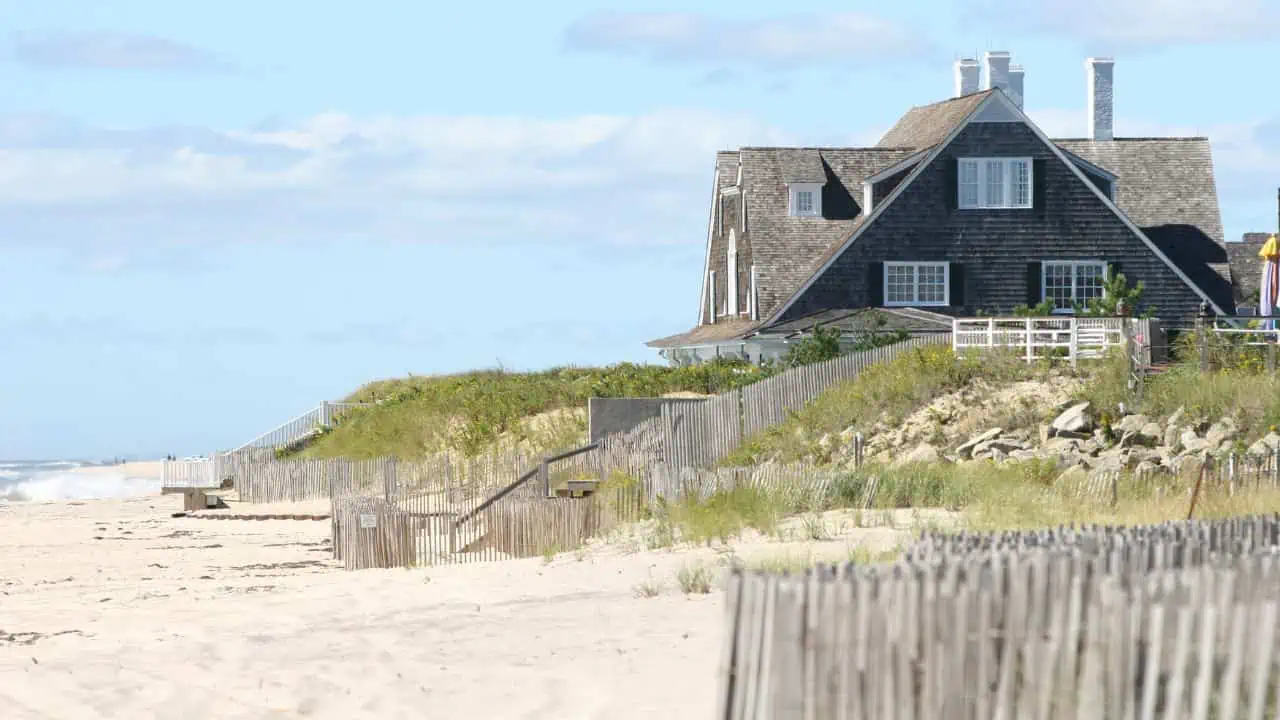
There are hundreds of government-owned cottages spread out around the Netherlands, allowing residents and visitors alike unrestricted access to the country’s stunning natural scenery. These cottages may be rented out in some countries.
These humble abodes are a haven for wanderers, whether hikers, fishers, hunters, or any spirited souls traversing mountains and forests, who need a sheltered respite beneath the starry sky. The door is permanently unlocked, with no reservation required. There is no electricity, running water, or WiFi, but you have a bed, a furnace, and a roof over your head. So remember to bring a sleeping bag.
4. Disposing of Household Garbage
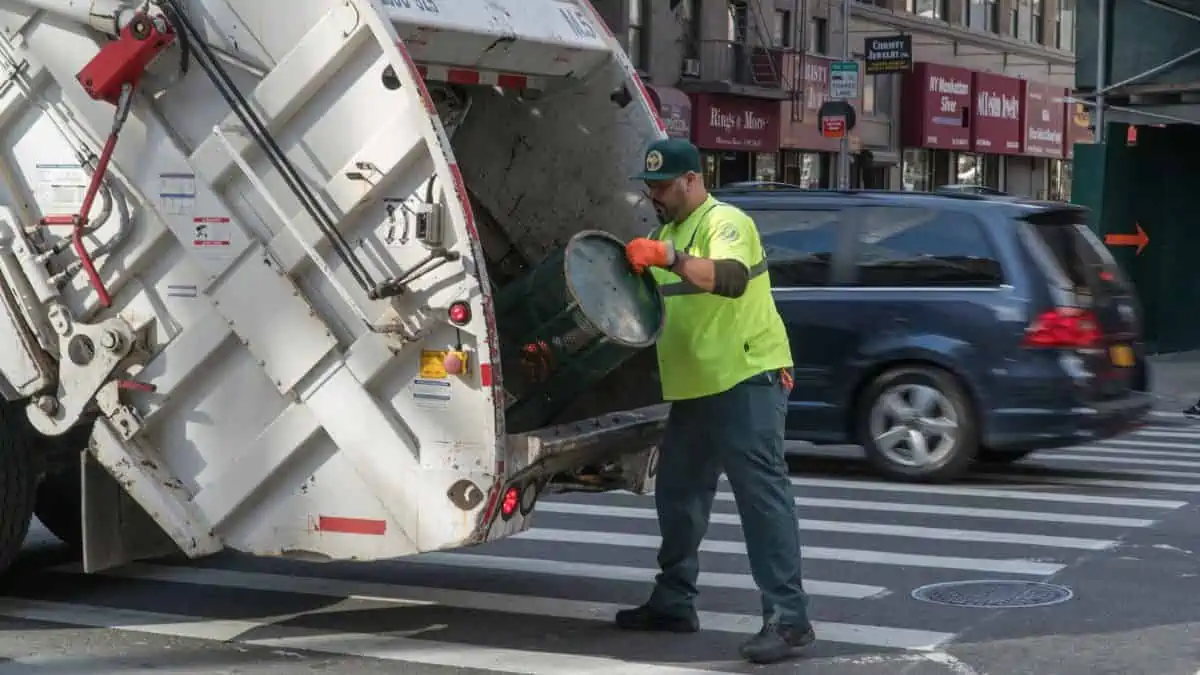
It’s utterly gratis in India. Garbage can be dumped in designated receptacles by anyone. But the situation is very different in Switzerland. The Swiss government has a system whereby every citizen is responsible for the cost of waste disposal.
5. Museums
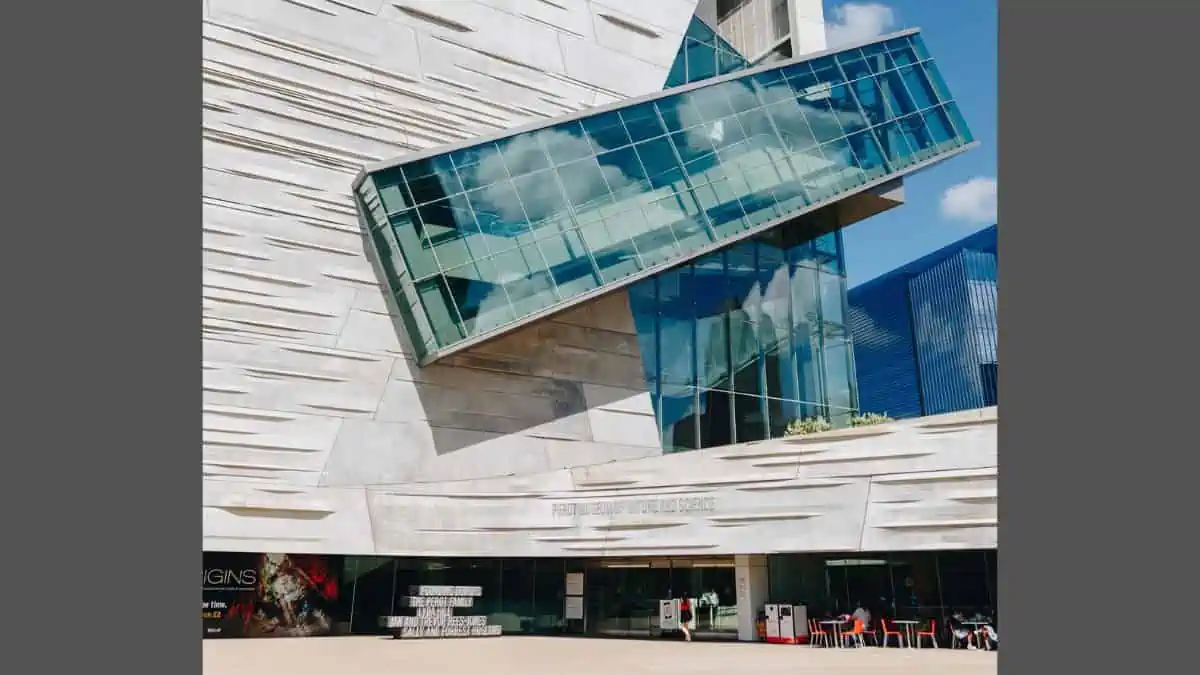
Museums in the U.S. are predominantly free. U.S. citizens may expect that exceptional, internationally renowned museums should be accessible to the public without cost. One U.S. citizen, who spent their formative years in the D.C. area, remarked, “During any weekend, I could casually wander around the National Mall and freely visit multiple Smithsonian Museums without spending a penny.”
However, while traveling abroad or residing overseas, they experience a sense of slight offense, a feeling of being shortchanged, and inevitably, disappointment when confronted with the need to pay an admission fee at museums.
6. College Education

In Argentina, higher education is entirely free of charge. This has nothing to do with financial aid in the form of scholarships or reduced “symbolic” fees as those implemented in several European countries. Although there are some excellent private institutions in Argentina, it’s generally agreed that the public universities in Argentina are among the best in the world. On the other hand, the average American has so much college debt that they can’t relate to this.
7. Public Toilets
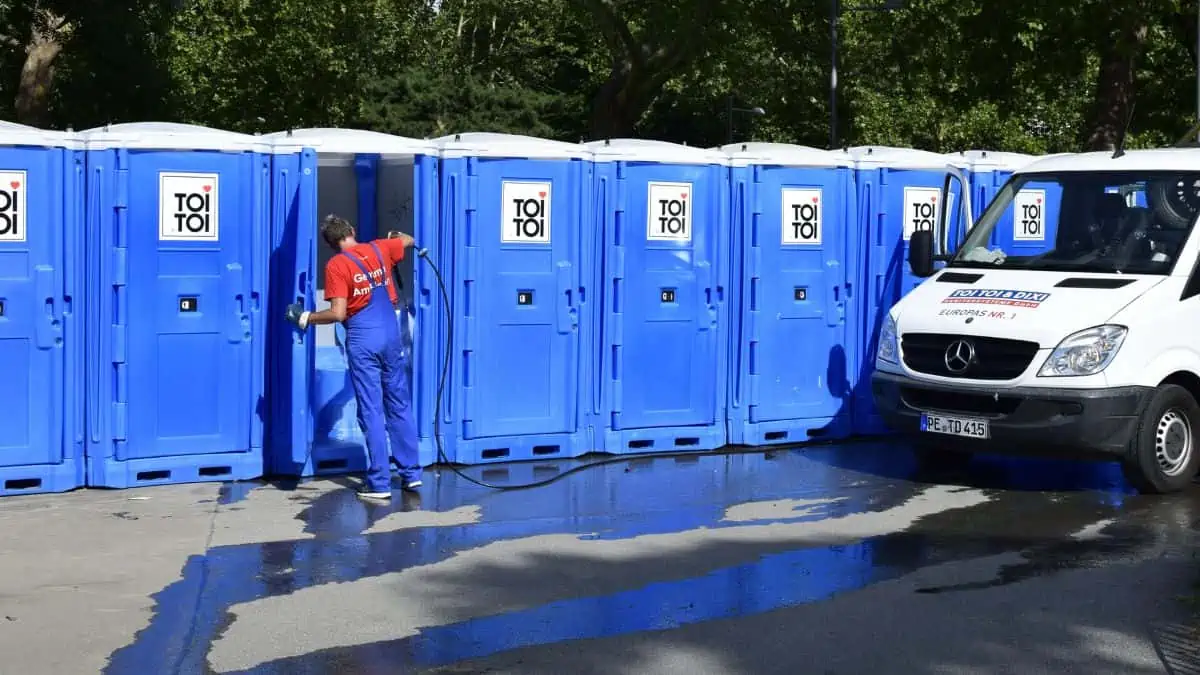
If you come from a place where public toilets are free, it will shock you that you must pay to use them in places like Peru and many other countries. In places like Argentina, public toilets have janitors assigned to them, and leaving them a tip is considered in good taste. But nobody would ever expect to be asked to pay for using a public toilet. Free toilets are one of the things many travelers appreciate in the U.S.
8. Water

Restaurants provide complimentary water to their patrons in the U.S. However, European countries such as Germany charge you for water and inquire about your preference for still or mineral water, often serving it in a bottle.
9. Parking
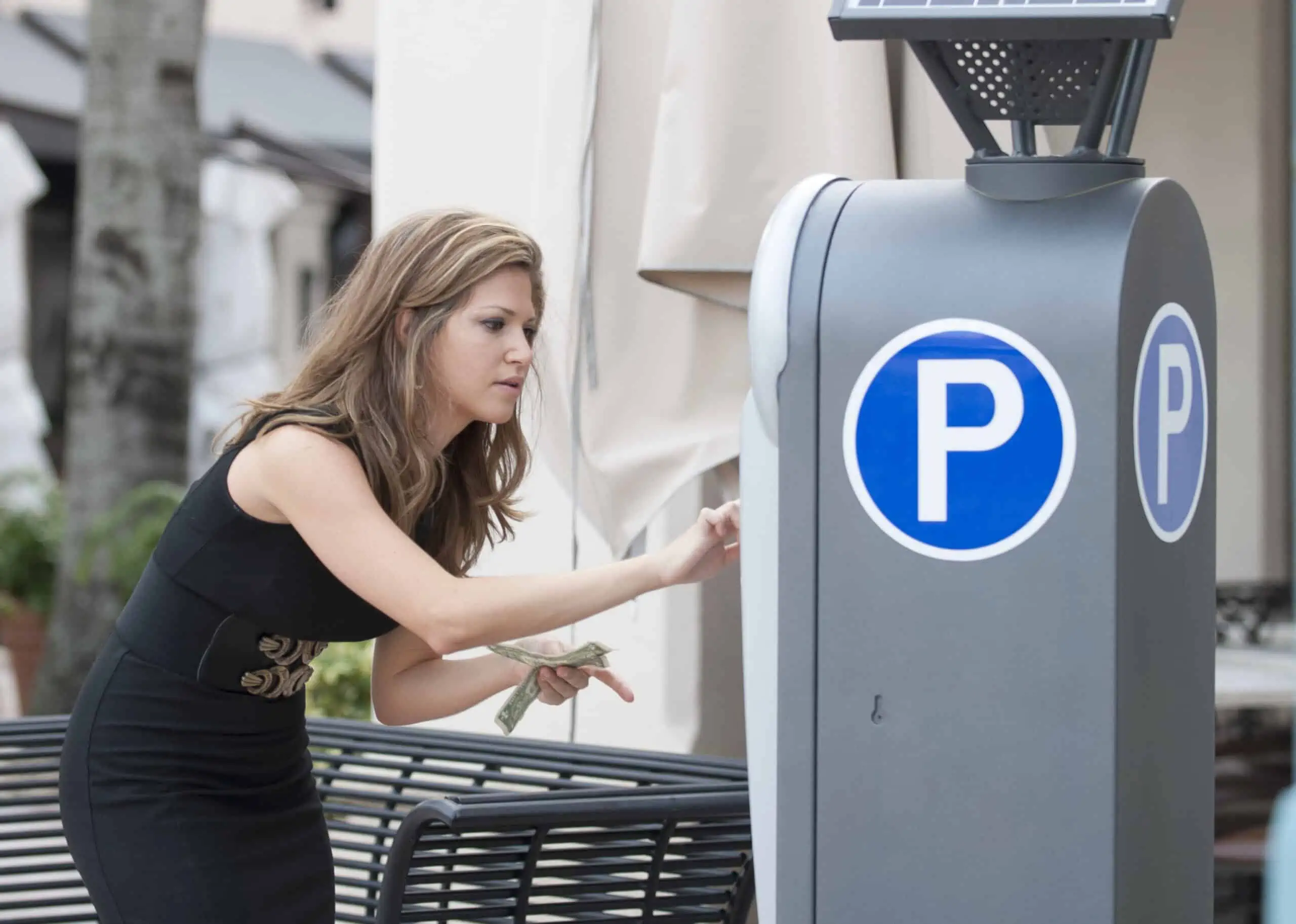
In Greece, parking costs next to nothing. One of the drawbacks of owning a car in the United Kingdom is the necessity of finding a legal parking spot and, in most cases, paying for parking. And in certain cities, you’ll pay significantly more than in others. Again, all major cities in the United States require you to pay for parking.
10. Trolleys
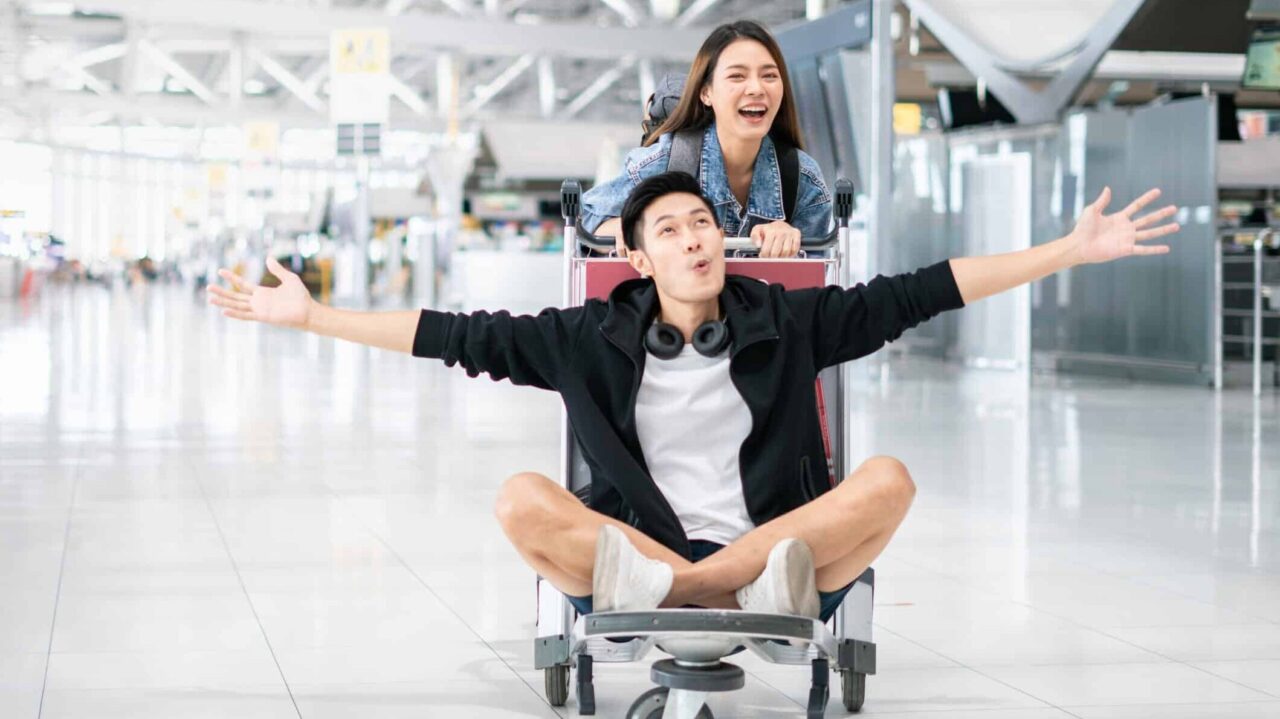
Finally, at Indian airports, you can use trolleys for baggage without worrying about paying in foreign currency coins. For one Indian traveler, paying two euros at Frankfurt airport was a problem when they landed there for the first time.
17 RETIREMENT MISTAKES YOU SHOULD AVOID AT ALL COSTS

What are some of the biggest retirement mistakes that people are making? We polled financial experts, and the results are surprising. Spoiler alert: many of them have nothing to do with finances.
17 RETIREMENT MISTAKES TO AVOID AT ALL COSTS
14 HIGH-PAYING JOBS THAT EMPLOYERS CAN’T FILL

Certain high-paying professions are high-paying for a reason – people avoid them like the plague. But why is that? Here are 14 jobs that pay well, but nobody wants to actually do.
14 HIGH-PAYING JOBS THAT NOBODY WANTS TO DO
17 DEAD-END CAREERS THAT WILL DISAPPEAR IN THE NEXT DECADE

Experts suggest AI will replace 30% of jobs by 2030. But some are more vulnerable than others. Here are 17 jobs that may not last a decade.
17 DEAD-END CAREERS THAT WILL DISAPPEAR IN THE NEXT DECADE
17 BEST PARTS ABOUT GETTING OLDER – THAT NOBODY TALKS ABOUT

Everyone has something to say about what gets harder as you get older. But there are a lot of positives, too. Here are the 17 best things that come with age.
17 BEST PARTS ABOUT GETTING OLDER – THAT NOBODY TALKS ABOUT
10 U.S. CITIES ON THE BRINK OF BANKRUPTCY
A recent study ranked 75 U.S. cities by their fiscal health, and a surprising number got a failing grade. Here are 10 cities teetering on the edge of bankruptcy.
10 CITIES ON THE BRINK OF BANKRUPTCY
This thread inspired this post.

